

Winterizing Your Alaska Home's Plumbing: A Room-by-Room Checklist
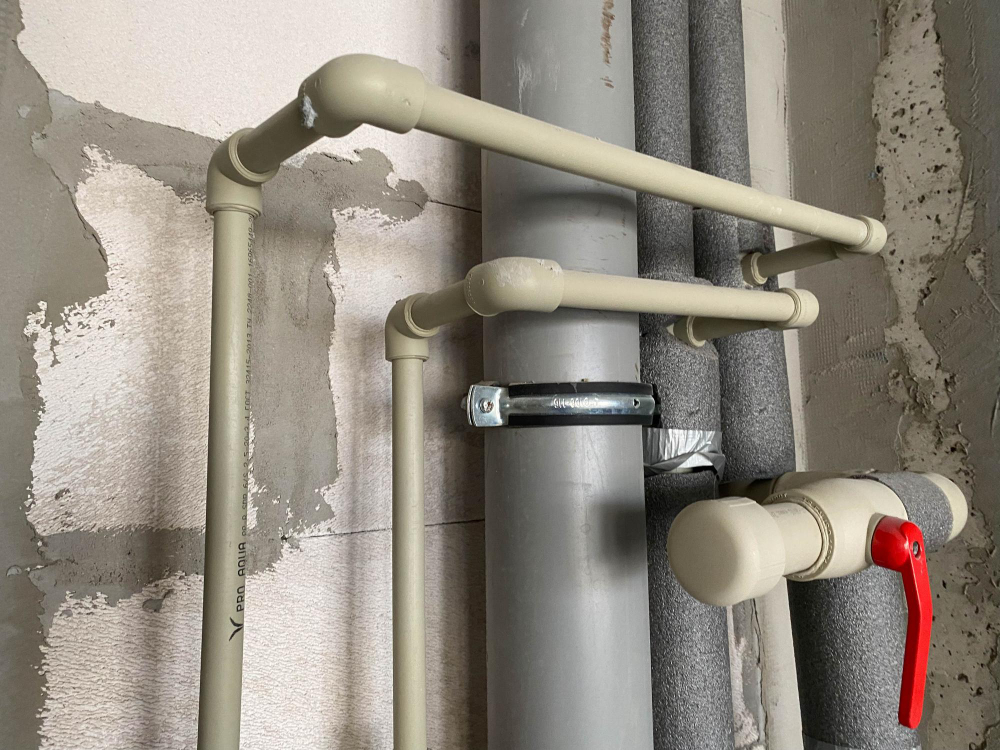
Winterizing your Alaska home's plumbing means working room by room: insulate and check exposed pipes in kitchens and baths, seal and insulate the crawl space or basement, shut off and drain every outdoor faucet, and plan ahead if the house will sit empty. A checklist written for a mild climate skips the parts of a Fairbanks, North Pole or Mat-Su Valley home that actually freeze: crawl spaces that never warm up, pipe runs along exterior walls, and outdoor lines facing months of deep cold.
Most homeowners know they should winterize. Few actually walk the house with a list. Here is one, organized the way you will move through your home.
Kitchen and bathrooms
These rooms hold the most fixtures and supply lines, and a frozen pipe here causes the most disruption. The key question for every pipe: is it on an interior wall or an exterior one?
Under every sink
- Check pipe insulation on any line near an exterior wall. Replace sleeves that are cracked, crushed or missing.
- Feel for drafts where pipes pass through walls or floors, and seal gaps with caulk or foam.
- Turn each fixture shutoff valve. A valve that will not turn costs you precious minutes if a pipe bursts.
- On the coldest nights, open cabinet doors on exterior walls so warm room air reaches the pipes.
Drains and fixtures
Deal with slow drains now, while booking a visit is routine. A drain that backs up during a cold snap is harder to clear, especially if part of the line runs near an unheated space.
Water heater
Your water heater works overtime all winter. Check the temperature and pressure relief valve, look for corrosion on fittings and insulate supply lines in a garage or utility room. A flush before winter helps too. See our water heater maintenance page.
Crawl space and basement
This is where Alaska winterizing differs most from a generic list. These spaces hold the pipes most likely to freeze, and they are the ones people check least.
Insulation built for this climate
Alaska's housing guidance calls for far more insulation than most of the country. The Alaska Housing Finance Corporation recommends a minimum of R-38 for floors over unconditioned crawl spaces in the state's coldest climate zones. Exposed pipes in a crawl space or unheated basement need their own pipe insulation on top of that. Our post on pipe insulation in North Pole covers what holds up.
Moisture and vapor barrier
Damp cold freezes pipes faster than dry cold. Before winter:
- Make sure the vapor barrier over any exposed soil is intact and sealed at the edges.
- Check that gutters and grading send water away from the foundation.
- Close any crawl space vents that should be closed for winter.
- Deal with standing water or damp spots before they freeze in place.
Access
Keep the crawl space hatch clear of snow and make sure the lighting works. Checking a crawl space in October is easy. Checking it during a January cold snap with a blocked hatch is not.
Fairbanks and North Pole homeowners should also read how Interior Alaska's permafrost affects your plumbing.
Outside the house
Outdoor plumbing is the most exposed in the house, and in the Interior the cold often arrives with little warning.
Outdoor faucets and hoses
- Disconnect and drain every hose, and store them where they will not freeze.
- Close the interior shutoff for each outdoor faucet.
- Open the outdoor faucet to drain what is left in the line.
- Fit an insulated cover over each spigot.
Skipping the interior shutoff is the most common mistake. Draining the spigot without closing the valve behind it leaves the most exposed section of pipe full and pressurized. If an outdoor line has already been damaged, see frozen outdoor line repair.
Foundation and wall penetrations
Walk the outside of the house and seal gaps where pipes and lines enter, around any water meter access, at foundation cracks near grade, and where siding has pulled away. A small draft against a pipe is enough to freeze it during a long cold stretch.
Heating and safety
Your plumbing is only protected if the heat stays on. Get the furnace or boiler tuned up, and test the carbon monoxide detectors on every level, since heating systems run hardest in winter. Our furnace maintenance page explains what a tune-up covers.
If the house will sit empty
An empty house in an Alaska winter has no one to notice a failing furnace or a dropping temperature. Fairbanks has recorded winters with more than 150 days in a row at or below freezing, according to the Fairbanks Daily News-Miner, so even a short trip carries risk.
- Never turn the heat off. Keep the thermostat at a safe setting, and higher if the house has known cold spots.
- Arrange check-ins with a neighbor or family member on a set schedule, with your number and a plumber's number.
- For long absences, consider shutting off the main water supply and draining the system. Closing individual fixture valves does not give the same protection.
- Write down where the main shutoff is so whoever checks the house can act fast.
Winterizing FAQs
When should I winterize my plumbing in Fairbanks?
Before the first hard freeze, ideally in early fall. If you have not done it yet, do it now. Every step still helps.
Do I need to winterize if I live in the house all winter?
Yes. Occupied homes still freeze pipes in crawl spaces, exterior walls and outdoor lines. The empty-house steps are extra.
Is foam pipe insulation enough?
It helps a lot on exposed runs, but it does not make heat. Pipes in very cold spaces may also need sealing, better floor insulation or heat tape installed correctly.
What should I do if a pipe freezes anyway?
Shut off the water, open the faucet and do not use an open flame. Our emergency frozen pipe checklist walks through it, and our pipe thawing team can take it from there.
Dealing with winterizing questions in Fairbanks? Call Prospector Plumbing & Heating at 907-531-2640 (or 907-600-7374 in the Mat-Su Valley).
Licensed & insured Alaska plumbing and heating. Locally owned and operated! We're the happiest plumbers in Alaska and go the extra mile on every job!
Fairbanks
135 32nd Avenue
Fairbanks AK 99701
North Pole
North Pole, AK 99705
Mat-Su Valley
1712 N Williwaw Way
#1 Wasilla, AK 99654
Eagle River
AK 99577